
Underfloor Heating

Uniform heat,
silent and invisible,
all over the house.

Hydraulic underfloor heating warms the home from the floor up, using low-temperature water that circulates beneath the flooring. The heat is distributed evenly throughout the room, with no visible radiators, no noise, and no draughts.

Because it operates at reduced temperatures, it is one of the most efficient heating systems, particularly when integrated from the outset into the building's design.

Why underfloor heating
Is it the most comfortable way to heat your home?

Comfort
Uniform

The heat rises gently from the floor and distributes evenly throughout the room, without the typical cold and hot spots of radiators.

Completely
Invisible

With no radiators or visible units, the system is embedded in the floor, freeing up the walls and usable space of the house.

Raised
Efficiency

Because it works at a low temperature, it consumes less for the same comfort, especially when powered by a heat pump.

Operation
Quiet

Heats completely silently and without draughts, which prevents dust from being stirred up and improves the indoor environment.

Compatible with the flooring
what you imagined for your home.

The flooring that best conducts heat.

Ceramic and porcelain tiles are the most suitable coverings for underfloor heating. They conduct and release heat with great efficiency, heat up quickly, and maintain a stable temperature, making them the most common and efficient pairing in new construction.

Maximum efficiency, in any division of the house.

The heat you feel from the first step.

The cosiness of wood,
with the comfort of underfloor heating.

Wood and floating floors are compatible with underfloor heating, provided that the appropriate thickness and type of material are respected. The correct choice of covering, made during the design phase, guarantees the performance of the system without compromising the look you want for your home.

The aesthetic you want, without compromising on comfort.

The warm touch of wood, in every room.

Seamless finishes,
uninterrupted heat.

Microcement and natural stone adapt well to underfloor heating and offer a continuous, seamless surface that distributes heat evenly. They are increasingly sought-after options in modern design projects, where the finish is part of the home's design.

Contemporary design and uniform comfort, on the same level.

A continuous, homogeneously heated surface.

What if comfort was part of the design from the very beginning?

In a house designed from scratch, underfloor heating is integrated into the construction before the finishes, without taking up space or dictating the layout of the rooms. It allows the house to be designed around comfort.

When the goal is efficiency, it works at low temperatures and makes the most of a heat pump's output, contributing to the energy class that enhances the property's value.

In a system that's for the life of the house, what distinguishes a good installation is the study that precedes it: circuit calculation, insulation, and zoning. That's why everything starts with the design.

The best result emerges
when the solutions
work together.

Integrate underfloor heating with other Inwatt solutions and take the comfort and efficiency of your home further.
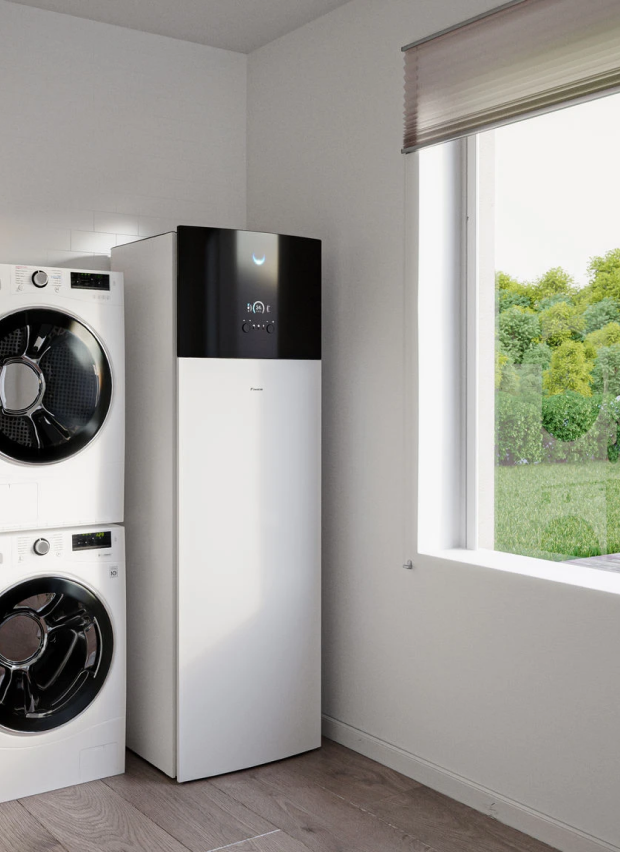
Underfloor Heating + Heat Pump

Underfloor heating operates at a low temperature, precisely where a heat pump is most efficient. Together, they heat the home uniformly and with the lowest possible consumption, the most natural combination for new construction.
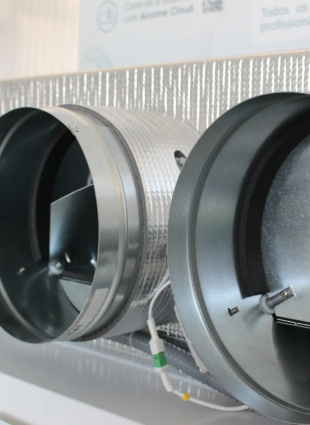
Underfloor Heating + Mechanical Ventilation

While underfloor heating warms the space from the bottom up, the mechanical ventilation with heat recovery (MVHR) renews the air and eliminates present pollutants. The combined solution allows for the uniformisation of air in the dwelling.

Projects where we have applied this
this solution.

Perguntas frequentes

O piso radiante hidráulico funciona utilizando um sistema de tubos pelo qual circula água aquecida. Geralmente, o calor é gerado por uma caldeira central (a gás, óleo ou biomassa) ou por uma bomba de calor. A água aquecida é bombeada através de tubos em circuito fechado, que são instalados sob o pavimento. Ao circular, a água aquece o pavimento, que por sua vez irradia o calor para o ambiente de forma uniforme e confortável. Este tipo de aquecimento é conhecido pela sua eficiência energética e pelo conforto térmico que proporciona, pois evita correntes de ar e a poeira associada aos sistemas de aquecimento tradicionais.

Hydronic underfloor heating warms a room from the floor up, through a network of piping installed beneath the flooring, through which low-temperature water circulates. The heat rises naturally and uniformly, without the need for high temperatures, making the system comfortable and efficient. The water is heated by a heat source, with the heat pump being the most common and most efficient option.

In most cases, yes. Ceramic and porcelain are the most efficient coverings, but wood, laminate flooring, microcement, and natural stone are also compatible, provided that the appropriate characteristics of each material are respected. The choice of flooring should be made during the design phase to ensure the best performance of the system.

Yes. Because it operates at a low temperature, it requires less energy to maintain comfort than traditional radiator systems. When powered by a heat pump, the combination becomes one of the most efficient heating systems available, with a direct impact on consumption and the dwelling's energy rating.

Underfloor heating warms up gradually and retains heat for longer than a radiator. For this reason, it is a system designed to work continuously and stably, rather than to heat up quickly and switch off. Once the desired temperature is reached, it is maintained with reduced consumption, which is part of its efficiency.

Yes. The system can be divided into independent zones, allowing you to set different temperatures for each room depending on its use. This zoning is planned during the design phase and is crucial for the system's comfort and efficiency.

Very little. Being a system embedded in the floor with no visible components, it only requires periodic checks of the heat source that powers it and the hydraulic circuit. It is one of the heating systems that requires the least maintenance throughout its useful life, which matches that of the house itself.

It is possible, but hydraulic underfloor heating makes the most of itself when integrated from the outset, in new construction or major renovations, as it requires intervention in the flooring. In a ready-made house with no planned works, there are more suitable climate control solutions, which Inwatt assesses on a case-by-case basis.

Do you want to know what it is
The ideal solution
for your project?

We have assessed your needs and
We recommend the heating solution
most suitable for your home.

Trolley 0