
Heat Pumps

More comfort
lower consumption
energetic for
your home
or company.

Heat pumps are a climate control and domestic hot water production solution that harnesses energy from the outside air. As a large part of this energy is renewable, electricity consumption is reduced and comfort remains stable throughout the year.

Why are more and more people choosing heat pumps.

High Energy Efficiency

They generate up to four times more heat than the electricity they consume, because most of the energy comes from the outside air.

All-Year-Round Comfort

Heating in winter, cooling in summer and hot water every day, in a single system.

Lower Running Costs

The system's efficiency is reflected in the bill: less consumption for the same comfort, compared to traditional boilers and water heaters.

Compatibility with Renewable Energies

Powered by photovoltaic panels, the heat pump largely runs on energy produced in your home, further reducing costs.

A range of solutions
adapted to different
needs.

Hot water every day, with a fraction of the consumption.

Air-to-water heat pumps capture energy from the outdoor air and transfer it to the home's heating system, whether it's underfloor heating, radiators, or fan coil units. In the summer, the same system cools; every day, it produces domestic hot water.

It is the most sought-after solution for new builds and renovations, due to its balance of efficiency, comfort, and versatility.

A comfortable house, in any season.

The most popular models
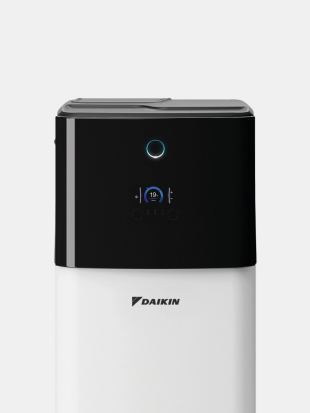
Daikin Altherma 3 R ECH₂O

A low-temperature air-to-water heat pump designed for new build homes.
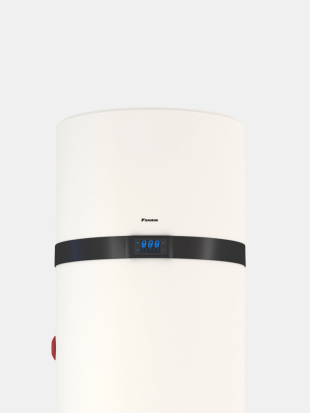
Daikin Altherma M AQS

Monobloc air-to-water heat pump for domestic hot water, with a 200 or 260 litre tank, no outdoor unit required.
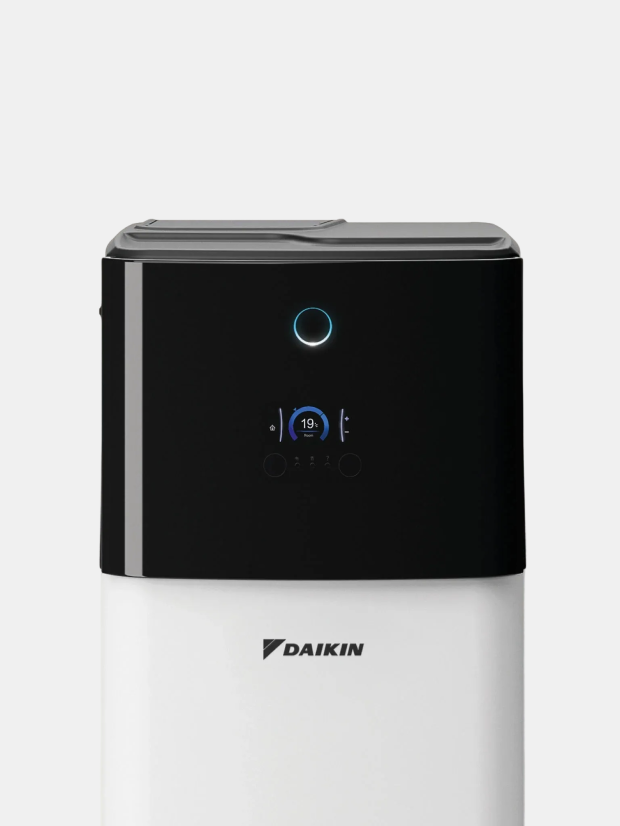
Daikin Altherma 4 H F

High-temperature air-to-water floor-standing heat pump, including a stainless steel domestic hot water tank (180 or 230 l). Compact all-in-one design, with factory-fitted connections and components.

Stable ground temperature, serving your home's comfort.

Geothermal heat pumps capture energy from the ground, which maintains a stable temperature all year round. This stability ensures consistent performance, even on the coldest winter days.

They are suitable for new constructions with available land and for projects that prioritise long-term comfort and performance.

Constant efficiency, no matter how long it takes.

The most popular models
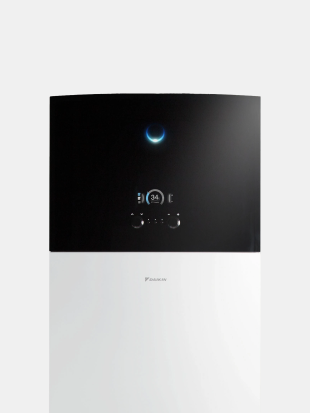
Daikin Altherma 3 GEO

Geothermal heat pump for homes with a low environmental impact that maximises renewable energy

Your year-round heating, cooling and hot water system.

Hot water heat pumps heat the water in the tank using energy from the air, replacing the water heater or electric cylinder. Installation is simple and the equipment integrates easily into occupied homes.

It is the most direct way of bringing the efficiency of heat pumps into everyday family life.

The comfort your family uses every day.

The most popular models
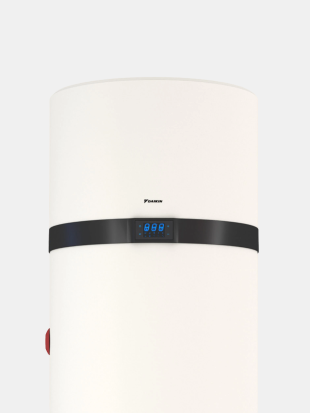
Daikin Altherma M AQS

Daikin Altherma M AQS

Monobloc air-to-water heat pump for domestic hot water, with a 200 or 260 litre tank, no outdoor unit required.
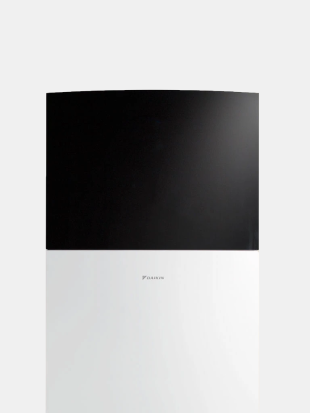
Daikin Altherma 3 R F Mini

Split air-to-water heat pump for domestic hot water, with a 180-litre integrated tank and climate control capability.

What if a heat pump took over your home's central heating?

In a new build, the answer is simple: the heat pump is designed from scratch with the project, combined with underfloor heating and prepared for photovoltaics, the house is born efficient, with an energy rating that enhances the property.

During a renovation, it takes over central heating in place of the boiler without requiring extensive work, and the high-temperature ranges work even with old radiators.

When the goal is to curb a bill that keeps rising, it’s one of the most impactful decisions you can make for your home or business. In either scenario, the starting point is the same: assess the space and size the right system.

The best result emerges
when the solutions
work together.

Integrate the heat pump with other Inwatt solutions and take your home's comfort and efficiency further.
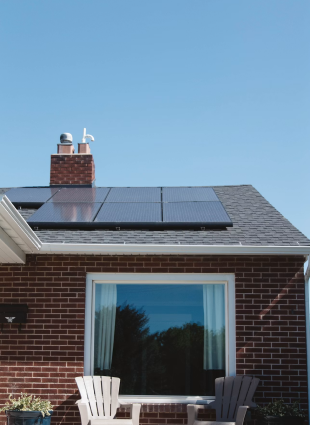
Heat Pump + Photovoltaic Panels

The energy that the panels produce during the day powers the heat pump. Your home is heated, cooled, and hot water is produced with electricity generated on your own roof.
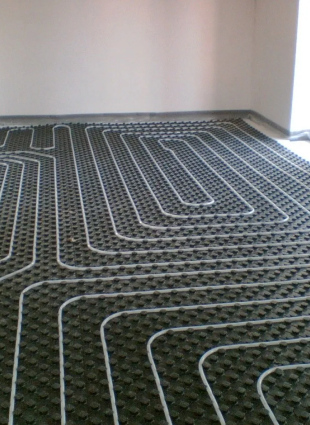
Heat Pump + Underfloor Heating

Underfloor heating operates at low temperatures, exactly where a heat pump is most efficient. Together, they distribute heat evenly throughout the house, without draughts or cold spots.
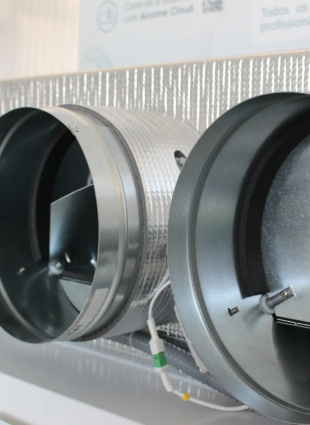
Heat Pump + MVHR

While the heat pump provides climate control, the mechanical ventilation renews the air and controls humidity. Thermal comfort and air quality, working together.

Projects where we have applied this
this solution.

Perguntas frequentes

Uma bomba de calor é um dispositivo que transfere calor de uma fonte para outro local. Ela funciona de forma semelhante a um frigorífico, mas de forma invertida. Em vez de extrair calor do interior de um espaço e libertá-lo para o exterior, uma bomba de calor extrai calor do ar exterior, da água ou do solo e transfere-o para o interior de uma casa ou edifício. O processo de funcionamento de uma bomba de calor envolve quatro componentes principais: 1. **Evaporador:** O fluido refrigerante, a uma pressão baixa, circula através de serpentinas no exterior do edifício. Este fluido é mais frio do que o ar exterior, pelo que absorve o calor do ar. Ao absorver o calor, o fluido refrigerante evapora, transformando-se em gás. 2. **Compressor:** O gás refrigerante é então encaminhado para o compressor, que aumenta a sua pressão e temperatura significativamente. 3. **Condensador:** O gás de alta pressão e alta temperatura circula através de serpentinas no interior do edifício. Aqui, o gás liberta o seu calor para o ar interior, aquecendo a casa. Ao libertar calor, o gás condensa, voltando ao seu estado líquido. 4. **Válvula de expansão:** O líquido refrigerante de alta pressão passa pela válvula de expansão, que reduz a sua pressão e temperatura. O líquido refrigerante está agora pronto para voltar ao evaporador e reiniciar o ciclo. Este ciclo de evaporação, compressão, condensação e expansão permite que a bomba de calor mova o calor de um local mais frio para um local mais quente, tal como um frigorífico move o calor do seu interior para a cozinha. As bombas de calor podem ser utilizadas tanto para aquecimento como para arrefecimento. No modo de arrefecimento, o ciclo é revertido, bombeando calor do interior da casa para o exterior. São consideradas uma opção de aquecimento eficiente em termos energéticos, pois utilizam eletricidade principalmente para mover o calor existente, em vez de o gerar através de combustão.

It is a system that captures the energy present in the outside air and transfers it into the home, for heating, cooling, and domestic hot water. Instead of generating heat by burning fuel, it moves heat from one place to another, which is why it can deliver more energy than it consumes. The principle is the same as a refrigerator, but working in reverse.

It depends on the size of the house, the insulation and its usage, but the rule is this: for each unit of electricity consumed, a heat pump delivers three to four units of heat. In practice, for the same comfort, consumption is a fraction of that of a traditional electric system or an boiler. For budgeting purposes, Inwatt estimates the expected consumption for your specific case, based on the property's characteristics.

The storage water heater heats water using an electric element: each unit of heat costs one unit of electricity. A hot water heat pump harnesses energy from the air and uses a fraction of that for the same result. The difference is felt on the bill, month after month, throughout the equipment's lifespan.

Yes. High-temperature heat pumps were developed precisely for this: they connect to the existing radiator circuit and produce hot water at high temperatures, without needing to change the emitters or carry out extensive work. In homes with underfloor heating or low-temperature radiators, the efficiency is even greater.

Yes. Current heat pumps are designed to operate in sub-zero external temperatures and maintain performance on the coldest days. The key is in the sizing: the system is calculated for the minimum temperatures of the area where it will be installed, not for the annual average. That's the installer's job.

Little, but regular. Annual checks by a qualified technician are recommended, including filters, pressures and the general state of the circuit. This is simpler maintenance than for a boiler and keeps the equipment at maximum efficiency throughout its lifespan. Inwatt ensures the maintenance and technical assistance for the systems it installs.

Do you want to know what it is
The ideal solution
for your project?

We analysed your needs
We recommend the most suitable solution
for your home or business.

Trolley 0