
Photovoltaic panels

Produce your own
energy and reduce
the bill, at home
or at the company.

Photovoltaic panels convert sunlight into electricity, allowing you to consume the energy you produce and rely less on the grid. For a home or a business, it is one of the most effective ways to reduce your energy bill and gain predictability in your costs.

The return depends on correct sizing: matching the power to the actual consumption is what determines how much you will save and how long it will take to recoup the investment.

Why more and more individuals and businesses are producing their own energy.

Reduction of the Energy Bill

By consuming the energy you produce, you rely less on the grid and significantly reduce the amount you pay every month.

Return on Investment

The system pays for itself over time through the savings it generates, after which it produces energy at virtually no cost.

Clean and Sustainable Energy

It generates electricity from the sun, with no emissions, reducing the environmental footprint of a home or business.

Property appreciation

A photovoltaic installation improves energy efficiency and adds value to a home or business building.

A tailored solution
for your consumption.

Consume the energy produced at the moment it is available.

With self-consumption, the energy generated by the panels is used immediately by appliances in the home or business, reducing the amount of electricity purchased from the grid. This is the basic photovoltaic solution, recommended for those with significant consumption during the day, when solar production is at its highest.

The most straightforward way to download the bill.

The energy of the sun, powering your home.

The energy of the day, available whenever you need it.

With batteries, the energy produced and not consumed is stored for later use, at the end of the day or during the night. It allows a much larger portion of the generation to be utilised and increases independence from the grid, making it the ideal option for those who consume mostly outside of sunlight hours.

More autonomy, less grid dependency.

Stored sunshine, ready to use whenever you like.

Scale and power at the service of the business.

For larger companies and facilities, the photovoltaic system is tailor-made to suit the consumption profile and the available space, offering higher power outputs and a return that is directly reflected in operating costs. An energy decision with a real impact on the business’s competitiveness.

The sun is working to fuel its activity.

Self-generated energy, on the scale of your business.

And if the energy you consume
was produced by you?

In a home, solar PV covers a significant part of daily consumption, from appliances to air conditioning, and is reflected on the bill from the first month. With batteries, this utilisation extends into the night.

In a business where consumption is higher and occurs mainly during the day, the coincidence with the hours of peak solar production makes the return even more significant.

In either case, the key to making savings is the same: tailoring the system to actual consumption, so as to produce only what is needed, without waste or shortfalls.

The energy it produces
can feed
the whole house.

Combine photovoltaic panels with other Inwatt solutions and make the most of the energy you produce to air-condition, heat and manage the energy consumption of your home or business.
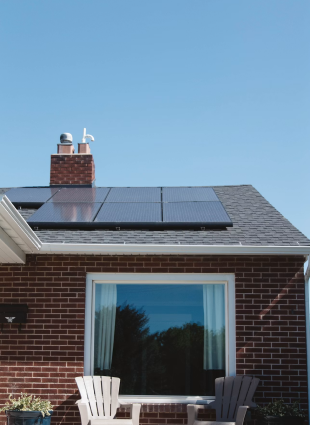
Solar PV + Heat Pump

The heat pump is one of the largest energy consumers in an efficient home. Powered by energy from the panels, heating, cooling and hot water are largely provided using self-generated electricity.

Solar PV + Air Conditioning

Air conditioning consumes more precisely in summer, when solar production reaches its peak. The energy generated on the roof cools the house during the hottest hours, at the lowest possible cost.
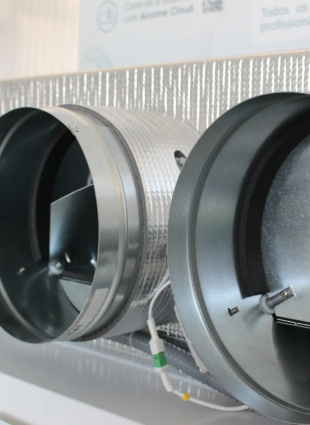
Solar PV + MVHR

Mechanical ventilation operates continuously, which represents a permanent consumption. Powered by the energy from the panels, this consumption is largely met by electricity produced in the building itself.

Projects where we have applied this
this solution.

Perguntas frequentes

What is the difference between solar panels and photovoltaic panels?

They are distinct things, although the terms are frequently confused. Solar thermal panels heat water for domestic use or to support heating. Photovoltaic panels produce electricity, which powers appliances in the home or business. Inwatt installs both and, in the quote, helps you understand which makes sense for each case, or whether a combination of the two is the best solution.

The panels capture sunlight and convert it into electricity through the photovoltaic cells that make up them. This energy is then adapted by an inverter so that it can be used by the property's equipment. Whenever they produce more than what is consumed at the time, the surplus can be stored in batteries or fed into the grid.

The investment depends on the installed capacity, the number of panels, whether or not there are batteries, and the characteristics of the property. For this reason, there is no single price, but rather a tailored solution for each case. What makes sense to evaluate is not just the initial cost, but the return: the savings that the system generates over the years is what determines its true value. Inwatt presents this calculation in the quotation.

It depends on energy consumption, available space and usage habits. A home with higher consumption during the day gets more out of a self-consumption system, while another with consumption mainly at night could benefit from batteries. The right number of panels is the result of a study of actual consumption, and it is precisely this calculation that ensures the system is neither undersized nor oversized.

The installation of photovoltaic systems benefits, under certain conditions, from specific grants and tax frameworks, which vary over time and depending on the type of customer. During the project management process, Inwatt provides information on the grants applicable to each situation at the time of installation.

The panels produce energy whenever there is sunlight, even though generation is lower on cloudy days. During the night, there is no generation, and that is where batteries come in, which store the energy generated during the day, or the electricity grid, which ensures the supply. The right sizing balances these variables according to the consumption profile.

Yes. Inwatt ensures a complete solution: consumption study, sizing, equipment supply, installation by qualified technicians, and after-sales support. The installation is crucial for the system's performance, from the positioning of the panels to the correct configuration of the inverter, which are just as decisive as the quality of the equipment itself.

Want to know how much you can save
using solar energy?

We assessed your consumption and sized the
most suitable photovoltaic solution for your
home or business.

Trolley 0